





“I Don’t Like Reading” — Helping Your Child Find a Book They Want to Open
You suggest a book. Your child looks at the cover, flicks through a few pages and puts it down.
“I don’t like reading.”
Before choosing another title, ask what they disliked about that one. Was the opening slow? Were there too many unfamiliar words? Did the subject interest them?
Their answer gives you somewhere to start. The next book can be a choice you explore together.
Begin With What Already Interests Them
Ask your child what they enjoy talking about, watching, making or playing.
An interest in football could lead to a player’s biography, a comic about a school team or a book explaining the sport. A child who enjoys building things might choose instructions for a model or a book about how machines work.
Offer a small selection connected to their interest. Let them choose which one to inspect first.
Sample the Book Before Committing
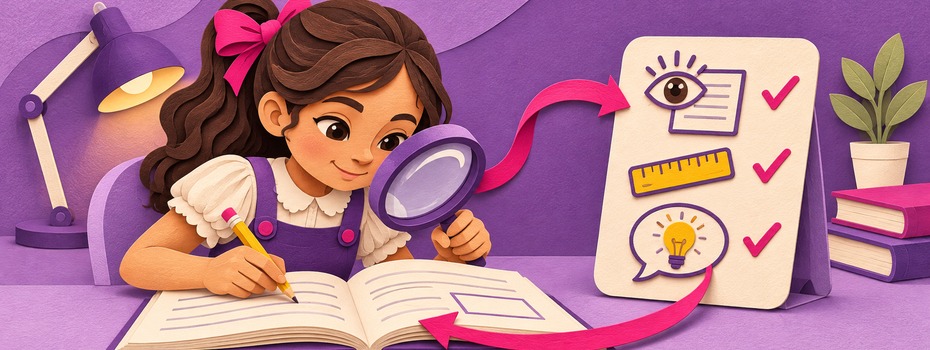
Look at the cover, read the description and try the opening page together.
Ask your child what they notice.
“Is there anything here you want to find out?”
They might want to know why a character is hiding, how a volcano forms or what happens in the next panel of a comic.
If the opening does not appeal, try another option. You can return to the first book later if they become curious about it.
Notice Where Reading Becomes Difficult
Listen to a short passage together. Your child could read some of it aloud, or you could take turns.
Pay attention to what interrupts their understanding. They might lose track of a long sentence, become stuck on several words or understand each sentence while finding the overall meaning unclear.
Ask, “What happened in this part?”
If the passage is difficult to discuss, try a shorter or more accessible text. Keep a note of recurring difficulties to share with their teacher.
Explore Different Formats
Give your child a few ways to enter a topic.
| Their interest | A format to explore |
|---|---|
| Humour | A joke collection or illustrated story |
| Animals | A fact book or wildlife magazine |
| Adventures | A short novel or graphic novel |
| Making things | Instructions, recipes or a project book |
| Real people | An age-appropriate biography or interview |
| A familiar film | The book it was adapted from or a related story |
Ask what they liked about the format. Pictures, short sections or dialogue may give you clues for the next choice.
Share the Reading Without Taking Over
Agree on a small section to read together.
You might read the first page, then invite your child to read a paragraph. They could choose a character’s dialogue while you read the surrounding narration.
Pause when there is something interesting to discuss. Let your child ask questions and point out details too.
If they want to continue independently, give them room to do so.
Make the Conversation Specific
After a short section, choose one question connected to what you both read.
For a story, you might ask:
“What made you think the character was worried?”
For a fact book:
“Which part would you show someone who wanted to understand this?”
For instructions:
“What do we need to do before this step?”
Return to the page together when needed. The text gives you something concrete to explore.
Choose a Manageable Place to Stop
Agree on a short reading opportunity that fits your family’s day. Your child might choose a few pages, one article or a section of a chapter.
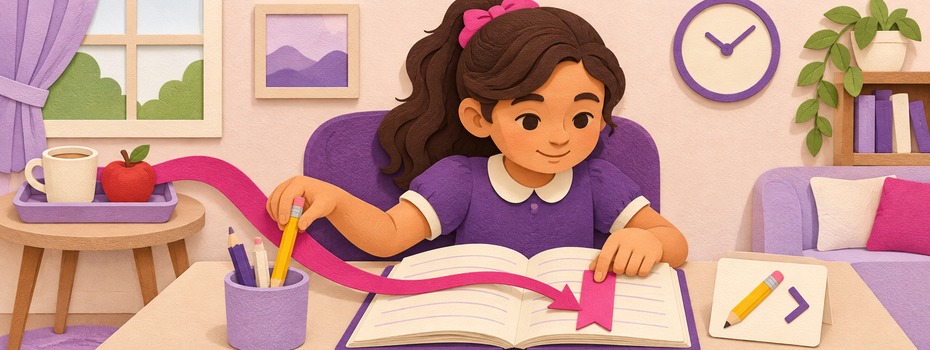
When you stop, ask whether they want to continue the same book next time. A bookmark or a brief note can help them remember where they reached.
Review the arrangement together if reading regularly becomes a struggle. Ask whether the difficulty is the book, the timing or the reading itself.
When to Speak With the Teacher
Share specific observations when your child repeatedly struggles to read or explain short passages.
You might say, “She can read these sentences aloud, but she finds it difficult to explain what happened,” and bring an example.
Ask which skill to practise and what kind of reading material would be suitable. A librarian can also help you find books linked to your child’s interests and current reading needs.
Frequently Asked Questions
Should my child finish every book they start?
Discuss why they want to stop. You might agree to sample another chapter, choose a different book or revisit it later. Follow the teacher’s instructions for assigned reading.
What if my child only chooses comics?
Talk about the characters, sequence and visual clues while reading together. You can also offer another format connected to the same interest and let your child compare them.
Can we read in a home language?
Choose languages and materials your family can enjoy together. If you are working towards a particular school reading goal, ask the teacher how to support that goal alongside reading at home.
Bring a short reading passage to a TheTuitionE demo lesson and discuss what your child can read and explain comfortably, along with the areas where they need support.